
Iranian Foreign Minister Abbas Araghchi has called for greater international attention to the environmental consequences of wars in West Asia, saying military conflicts have inflicted lasting damage on ecosystems and exposed civilians to hazardous pollutants.
Speaking on the sidelines of an international conference titled Ecocide: The Silent Crime on Wednesday, Araghchi said the Persian Gulf region has suffered repeated environmental disasters over the years, including those associated with the US-led war in Iraq and fires at oil wells and other facilities.
“The environment is the silent victim of war,” Araghchi said, stressing that nature, which has no part in armed conflicts, often suffers some of their most severe and long-lasting consequences.
He added that continued fighting across the region has repeatedly caused environmental harm and warned that the trend could persist under current US policies.
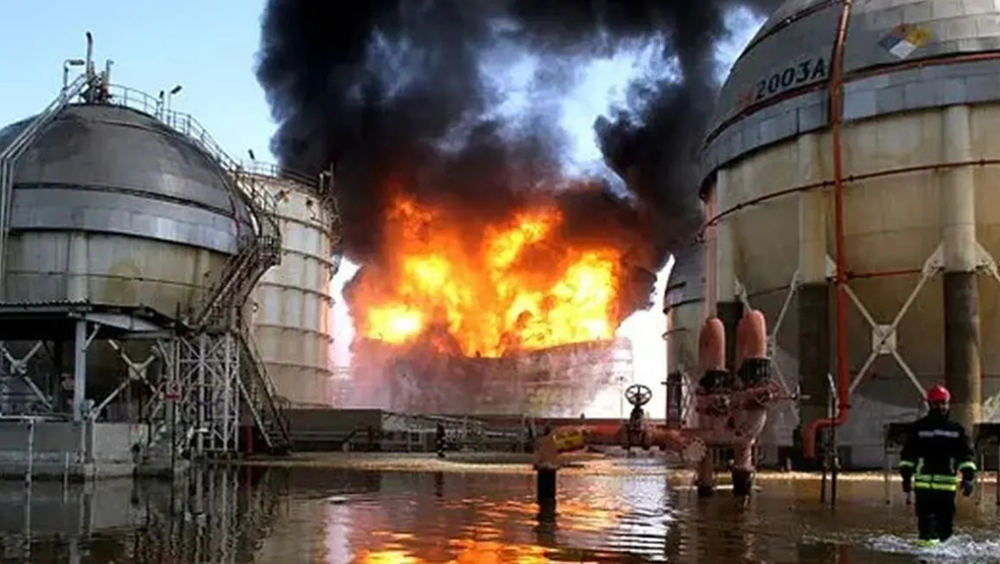
Araghchi also pointed to “environmental damage” during the latest round of US-Israeli aggression against Iran, saying attacks on oil infrastructure have affected both the environment and public health.
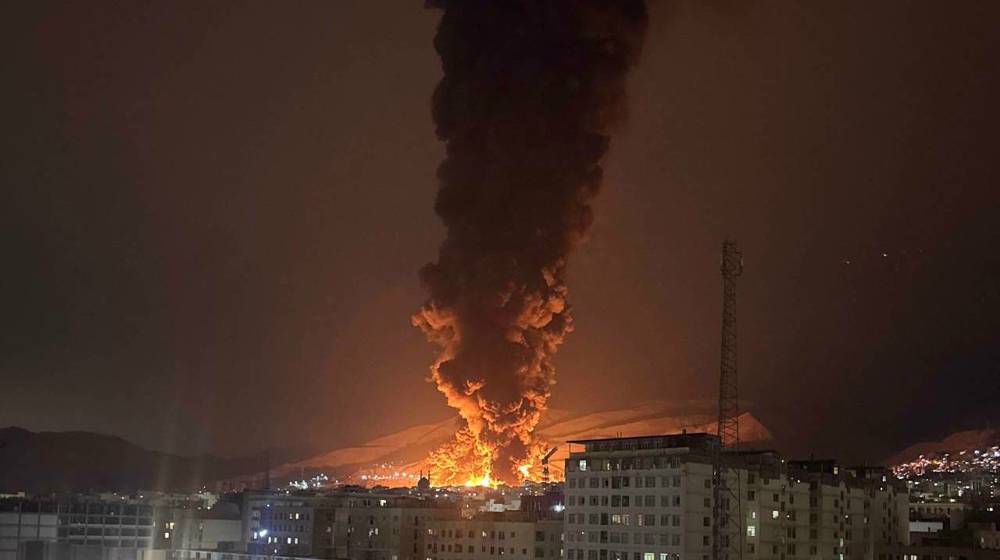
As an example, the foreign minister referred to fires at refinery storage facilities in Tehran following US-Israeli strikes.
According to Araghchi, smoke from the fires darkened the city’s sky for a day, with the effects remaining visible for two to three days.
He also reported that black rain fell over the capital and that millions of residents were exposed to pollutants and toxic chemicals.
Araghchi said the environmental consequences of military operations should be addressed at the international level, arguing that stronger measures were needed to prevent similar damage in future conflicts.
He called for such incidents to be examined within the framework of international law, including whether they could constitute war crimes.
“These cases must be addressed at the international level, and effective measures must be taken to prevent such damage from happening again,” he said, adding that the incidents should, in his view, also be examined as potential war crimes.
 This makes it easy to access the Press TV website